FREE SHIPPING OVER €100 THIRD-PARTY LAB TESTED SHIPS FROM UNITED STATES

Understand the Science. Support Better Recovery.

A practical learning center for understanding veterinary recovery peptides, species considerations, measurement, protocols and responsible research use.

Information provided is for educational and research purposes. Always seek direct guidance from a licensed veterinarian.

Everything you need, organized around the recovery journey.

01

CHOOSE

Find the peptide category aligned with the specific research goal.

02

MEASURE

Understand species, weight and concentration variables.

03

HANDLE

Learn reconstitution, storage and preparation basics.

04

FOLLOW

Understand cycling, protocols and responsible research use.

Start with the research goal.

Tendon, Ligament & Tissue Repair

Targeted support for soft-tissue recovery and connective tissue.

RELEVANT PEPTIDES
BPC-157 TB-500 MGF
EXPLORE CATEGORY

GI & Gut Health

Studied for gastric support and intestinal lining integrity.

RELEVANT PEPTIDES
BPC-157 KPV
EXPLORE CATEGORY

Immune Support

Research focused on immune modulation and cellular defense.

RELEVANT PEPTIDES
Thymosin Alpha-1 LL-37
EXPLORE CATEGORY

Skin, Coat, Wound & Scar

Investigated for surface healing and dermatological support.

RELEVANT PEPTIDES
GHK-Cu BPC-157
EXPLORE CATEGORY

Muscle Recovery & Wasting

Studied in models of muscle atrophy and metabolic recovery.

RELEVANT PEPTIDES
IGF-1 LR3 MOTS-C
EXPLORE CATEGORY

Targeted / Investigational

Advanced protocols requiring direct veterinary oversight.

RELEVANT PEPTIDES
PNC-27 Epithalon
EXPLORE CATEGORY
02 SPECIES GUIDE

Organized by
species.

Protocols vary significantly between dogs, cats, and horses due to metabolic differences and body mass. Select a species to review relevant peptide applications.

i

CANINE RESEARCH NOTE

Dogs tolerate these peptides well across a broad weight range. Scale the dose to body weight, place injections near the injury where the protocol allows, and rotate sites to keep tissue comfortable.

DOSE 20–500 mcg/day, scaled by size
ROUTE SQ / IM
FREQUENCY Once daily
DURATION 2–8 weeks

A versatile research option for gut issues, tendon and ligament strain, and recovery after surgery. It is studied for supporting early healing signals involved in tissue repair.

Size-based ranges should be followed carefully and injection sites monitored throughout the research period.

DOSE 0.1–0.25 mg/kg/week
ROUTE SQ / IM
FREQUENCY Loading 1–2× weekly
DURATION Loading 2–4 weeks

Studied for structural recovery involving tendon, ligament, muscle and persistent wounds. It is often researched alongside BPC-157 when complementary recovery pathways are being considered.

Research guidance on the existing Academy page advises avoiding TB-500 in animals with active cancer and checking competition rules where relevant.

DOSE 50–100 mcg/kg
ROUTE SQ
FREQUENCY 2–3× weekly
DURATION 4–12 weeks

Studied as an immune-modulating peptide in canine research involving chronic or recurring infection and immune-response support.

The Academy describes it as generally well tolerated, with standard clean technique and veterinary oversight recommended.

DOSE 0.5–2 mg/day
ROUTE SQ / IM / Topical
FREQUENCY Daily or topical 2× daily
DURATION 4–8 weeks

Researched for wounds, skin and coat quality and joint comfort. Topical application may be used when the research target is localised.

Extra care is advised for breeds prone to copper-storage disease, with liver monitoring relevant when injectable forms are being studied.

DOSE 1–4 mcg/kg/day
ROUTE SQ / IM
FREQUENCY Once daily
DURATION 4–6 weeks on

Studied for muscle wasting and rebuilding strength after surgery where a stronger growth-related research signal is being investigated.

The Academy specifies mandatory cycling and advises against use where active cancer is present. Blood glucose monitoring is also noted.

DOSE 0.5–2 mg/kg
ROUTE SQ / IT
FREQUENCY 2–3× weekly
DURATION 8–12 weeks or longer

An investigational research peptide studied in relation to HDM-2-expressing tumours.

The Academy identifies this as veterinary-supervised research that should sit alongside, rather than replace, an established veterinary cancer plan.

DOSE 2–5 mcg/kg/day
ROUTE IM
FREQUENCY Daily / every other day
DURATION 4–6 weeks

Studied as a localised muscle-repair signal, with administration research focused near the site requiring recovery.

The Academy advises against combining MGF with IGF-1 LR3 because of overlapping pathways and notes avoidance where active cancer is present.

i

A NOTE FOR CATS: INJECTION SITES

Cats need a gentler hand: per-kilogram doses run lower, injection volumes are tiny, and a baseline liver panel is worth having before copper-based peptides. Cats can react to repeated injections in the same spot, so rotate sites every time and have a veterinarian check any persistent lump.

DOSE 2–5 mcg/kg/day
ROUTE SQ
FREQUENCY Once daily
DURATION 2–4 weeks

Studied as a conservative research option for gastrointestinal issues, soft-tissue healing and post-surgical recovery in cats.

Feline injection volumes are very small, making accurate measurement and conservative research protocols particularly important.

DOSE Loading 0.5–1 mg
ROUTE SQ
FREQUENCY Loading 2× weekly
DURATION 4–6 weeks

Studied for tendon, ligament and wound-repair research in cats using a short loading phase followed by maintenance.

The Academy specifically advises lateral-trunk injection rather than the interscapular region and notes avoidance in cats with active tumours.

DOSE 25–75 mcg/kg
ROUTE SQ
FREQUENCY 2–3× weekly
DURATION 4–12 weeks

Investigated for immune support in cats, including research relating to chronic viral conditions and immune modulation.

Existing Academy guidance describes it as generally well tolerated with standard clean technique and veterinary oversight.

DOSE 0.25–1 mg/day
ROUTE SQ / Topical
FREQUENCY Daily / topical 2× daily
DURATION 2–4 weeks

Studied for wound, skin and coat support in cats, with topical research particularly relevant to localised surface applications.

Because cats are copper-sensitive, the Academy recommends caution, baseline liver assessment and avoiding GHK-Cu in cats with liver disease or cancer.

DOSE 0.5–2 mcg/kg/day
ROUTE SQ
FREQUENCY Once daily
DURATION 2–4 weeks on

Researched as a short, cycled approach to muscle recovery in cats where growth-factor research is relevant.

Feline data is limited. The Academy notes contraindications including feline acromegaly and active cancer and stresses appropriate cycling.

DOSE 0.25–1 mg/kg
ROUTE SQ / IT
FREQUENCY 2–3× weekly
DURATION 8–12 weeks

An investigational tumour-targeting research option in feline models, with intratumoral research discussed where a lesion is accessible.

The Academy restricts this information to veterinary-supervised research alongside an established cancer-care plan.

DOSE 1–3 mcg/kg/day
ROUTE IM / SQ
FREQUENCY Daily / every other day
DURATION 2–4 weeks

Studied for targeted muscle-repair research in cats using a relatively short research period.

Existing guidance advises against combining MGF with IGF-1 LR3 because their growth-factor signals overlap.

i

EQUINE RESEARCH NOTE

Horse doses scale by body surface area rather than straight weight, so totals may appear larger while per-kilogram exposure remains modest. For competition horses, detection windows and withdrawal requirements should also be considered.

DOSE 10–20 mcg/kg/day
ROUTE SQ / IM
FREQUENCY Once daily
DURATION 4–8 weeks

Studied in equine research involving tendon and ligament strain as well as gastrointestinal applications.

Competition-testing considerations and appropriate withdrawal windows should be reviewed where applicable.

DOSE Loading 10–20 mg/week
ROUTE IM / SQ
FREQUENCY Loading 2–3× weekly
DURATION 2–4 week loading

Investigated for deeper tendon, ligament and muscle recovery in horses, using a loading phase followed by longer maintenance research.

Existing Academy guidance highlights racing restrictions, withdrawal considerations and avoidance in horses with active cancer.

DOSE 0.5–1.6 mg
ROUTE SQ / IM
FREQUENCY 2–3× weekly
DURATION 4–8 weeks

Studied for immune support in horses, including investigational interest in immune resilience and selected equine conditions.

The Academy describes the peptide as generally well-tolerated when researched under veterinary oversight.

DOSE 2–5 mg/day
ROUTE SQ / IM / Topical
FREQUENCY Daily / topical 2× daily
DURATION 4–12 weeks

Studied for wound and hoof-care research in horses where copper-dependent collagen and tissue-repair pathways are relevant.

Injectable research may warrant liver monitoring, while topical research is discussed separately in the existing Academy guidance.

DOSE 10–50 mcg/day
ROUTE IM
FREQUENCY Once daily
DURATION 4–6 weeks on

Studied as a localised growth-related signal in equine muscle and soft-tissue recovery research.

Existing guidance requires cycling, notes tumour-related contraindications and identifies blood-glucose and competition considerations.

DOSE 2–5 mg
ROUTE SQ / IT
FREQUENCY 2–3× weekly
DURATION 8–12 weeks

Investigational equine research has examined PNC-27 in relation to conditions including sarcoid, melanoma and squamous-cell carcinoma.

The Academy characterises this as early-stage research requiring close veterinary supervision.

DOSE 50–200 mcg/day
ROUTE IM
FREQUENCY Daily
DURATION 4–8 weeks

Studied for targeted recovery at the equine muscle-tendon junction where localised loading and repair pathways are of research interest.

The Academy advises against stacking with IGF-1 LR3 and notes competition clearance considerations.

Translate body weight into clear reference values.

Select Dog Weight

DOG WEIGHT REFERENCE

Reference Values for 10 lbs

4.5 kg

BPC-157

Dose by Body Weight

SQ
LOW 2 mcg/kg 9 mcg
MID 5 mcg/kg 23 mcg
HIGH 10 mcg/kg 45 mcg

Once daily, subcutaneous. Cycle 2–4 weeks for active injuries; extend or repeat for chronic conditions.

TB-500

Weight-Bracket Reference

SQ
WEIGHT BRACKET Under 20 lbs
LOADING 2× / week · 4–6 weeks 0.5–1.0 mg
MAINTENANCE Every 7–14 days 0.5–1.0 mg

Subcutaneous. Loading 2× weekly for 4–6 weeks, then maintenance every 7–14 days.

i

These values reproduce the supplied Academy reference content. Both peptides are described there as subcutaneous and off-label. Treat every figure as a reference point to confirm with a qualified veterinarian.

Why we cycle — and how.

Run a peptide non-stop and the body adapts — receptors quietly downregulate and the same dose starts doing less. A scheduled break lets those receptors recover, so the next block lands with its full effect instead of a fading one.

BPC-157

ON 2–4 WK
REST 1 WK
ON

A short rest week between blocks keeps it working; for an acute injury it can run continuously for up to four weeks.

TB-500

LOAD
MAINT
REST 4 WK

Front-load to build it up, hold a longer maintenance phase, then break for four weeks before loading again.

Thymosin Alpha-1

ON 4–12 WK
OFF 2–4 WK

A long on-phase then a short break — but for active cancer, FIV or FeLV your vet may keep it running continuously.

GHK-Cu

ON 4–8 WK
OFF 4 WK

Injectable courses cycle on and off; the topical form is gentler and can be applied continuously.

IGF-1 LR3

CYCLING IS ESSENTIAL
ON 4 WK
OFF 4 WK
ON 4 WK

Cycling is not optional: four weeks on, four weeks off, and no more than three cycles in total.

MGF

CYCLING IS ESSENTIAL
ON 4 WK
OFF 4 WK
ON 4 WK

Same strict four-on / four-off schedule, capped at three cycles — and never stacked with IGF-1 LR3.

Why we cycle — and how.

Pairing complementary peptides covers more of the healing arc than any single one can. Here are the two recovery protocols we reach for most — plus an honest note on the investigational combinations that sit outside everyday practice.

Wolverine

BPC-157 + TB-500

REGENERATION

The most thoroughly documented synergistic combination in veterinary research. BPC-157 provides localized anti-inflammatory and cellular repair signaling, while TB-500 offers systemic actin-binding properties to support broad tissue remodeling.

Administration: Draw with separate syringes. Do not mix within the same vial.
VIEW PRODUCTS

Glow

GHK-Cu + BPC-157 + TB-500

WOUND RECOVERY

A highly advanced research protocol focusing on surface recovery, dermatological health, and scar mitigation. GHK-Cu is introduced specifically for its established role in collagen synthesis and copper delivery to damaged tissues.

Caution: GHK-Cu can cause mild site irritation. Extreme care with site rotation is required.
VIEW PRODUCTS
INVESTIGATIONAL ONCOLOGY

Combinations involving PNC-27 or specialized immune-modulating peptides require explicit, direct veterinary oncology supervision. These are strictly investigational.

Administration fundamentals.

ROUTE GAUGE MAX VOLUME
SQ
25–27G
0.5–1 mL per site
IM
22–25G
Scaled to muscle size
ROUTE GAUGE MAX VOLUME
SQ
25–27G
Under 0.5 mL per site
IM
25G
Under 0.3 mL
ROUTE GAUGE MAX VOLUME
IM
18–20G × 1.5 in
Up to 20 mL per site
SQ
20–22G
SAFE HANDLING

6 Rules for Every Injection

01

Clean the vial stopper with alcohol.

02

Part the fur and clean the skin (if protocol dictates).

03

Use a fresh, sterile syringe every single time.

04

NEVER mix multiple peptides in the same syringe.

05

Inject swiftly and smoothly to minimize discomfort.

06

Dispose of syringes in a proper sharps container.

Understand the appropriate research sites by species.

Every species has its own map of safe spots. Use the diagrams to picture each location, then work from the numbered list — that list is the source of truth. Rotate sites every dose and keep a written record of where each one went.

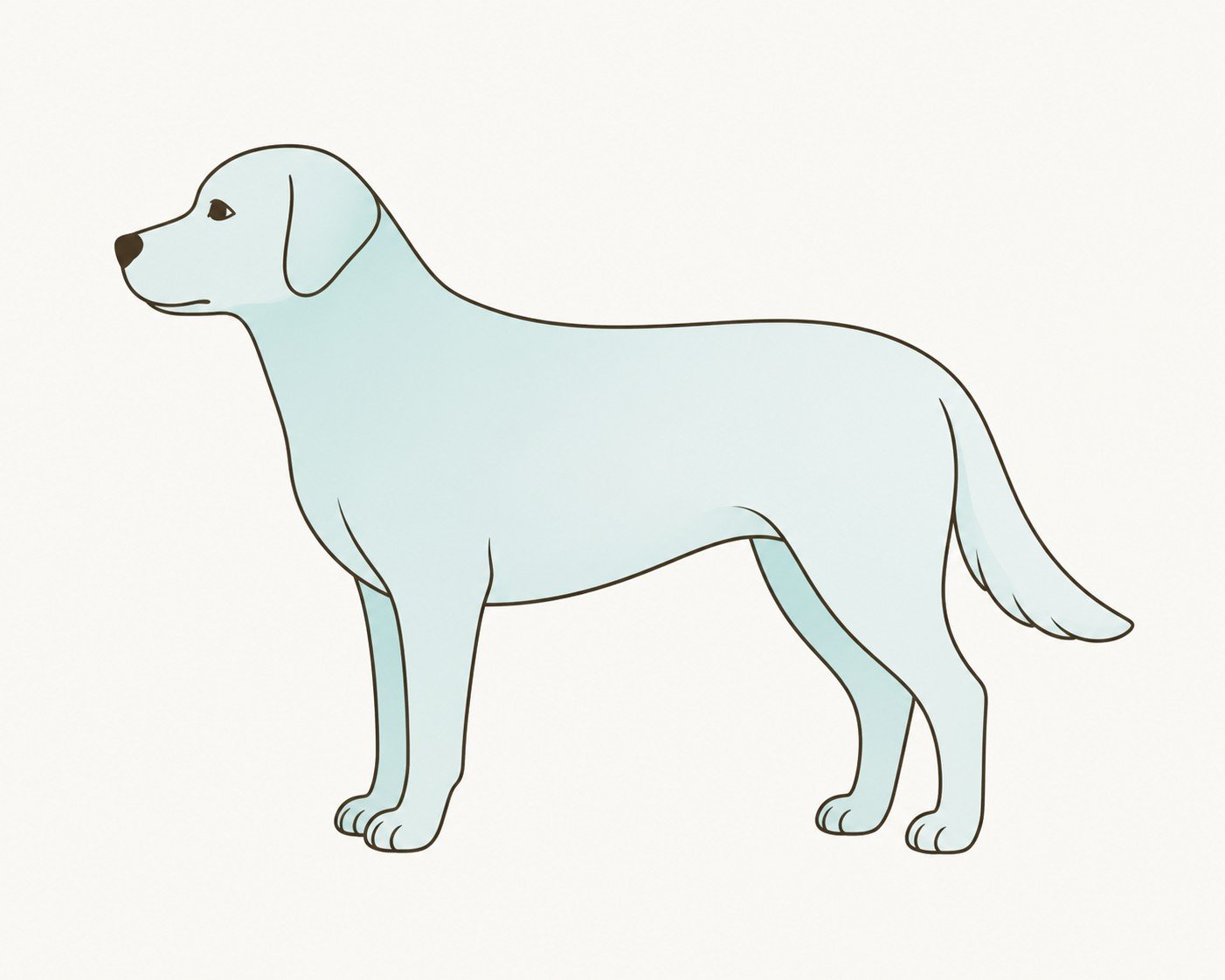
CANINE
Canine injection site anatomy guide

Diagram is illustrative — marker positions are approximate. Follow the numbered list and your vet’s guidance.

1
SQ

Scruff of the neck (interscapular)

The everyday subcutaneous spot. Tent the loose skin between the shoulder blades, slide the needle in at about 45°. Reach for a 25–27G and keep each dose to roughly 0.5–1 mL.

2
SQ

Lateral chest (over the ribs)

Plenty of give in the skin along the ribcage makes this a great daily-rotation site. Alternate left and right so the same patch never takes two doses running.

3
SQ

Flank fold

The fold ahead of the hind leg offers the most spare skin, so it suits slightly larger volumes. Swap sides each time to spread the load.

4
IM

Rear thigh (quadriceps)

The go-to intramuscular site. Go in perpendicular with a 22–25G and always draw back on the plunger first — if you see blood, pull out and pick a fresh spot.

5
IM

Lumbar back muscles (epaxial)

The muscle running either side of the spine takes a localised IM dose. Stay to the side of the backbone, never over it.
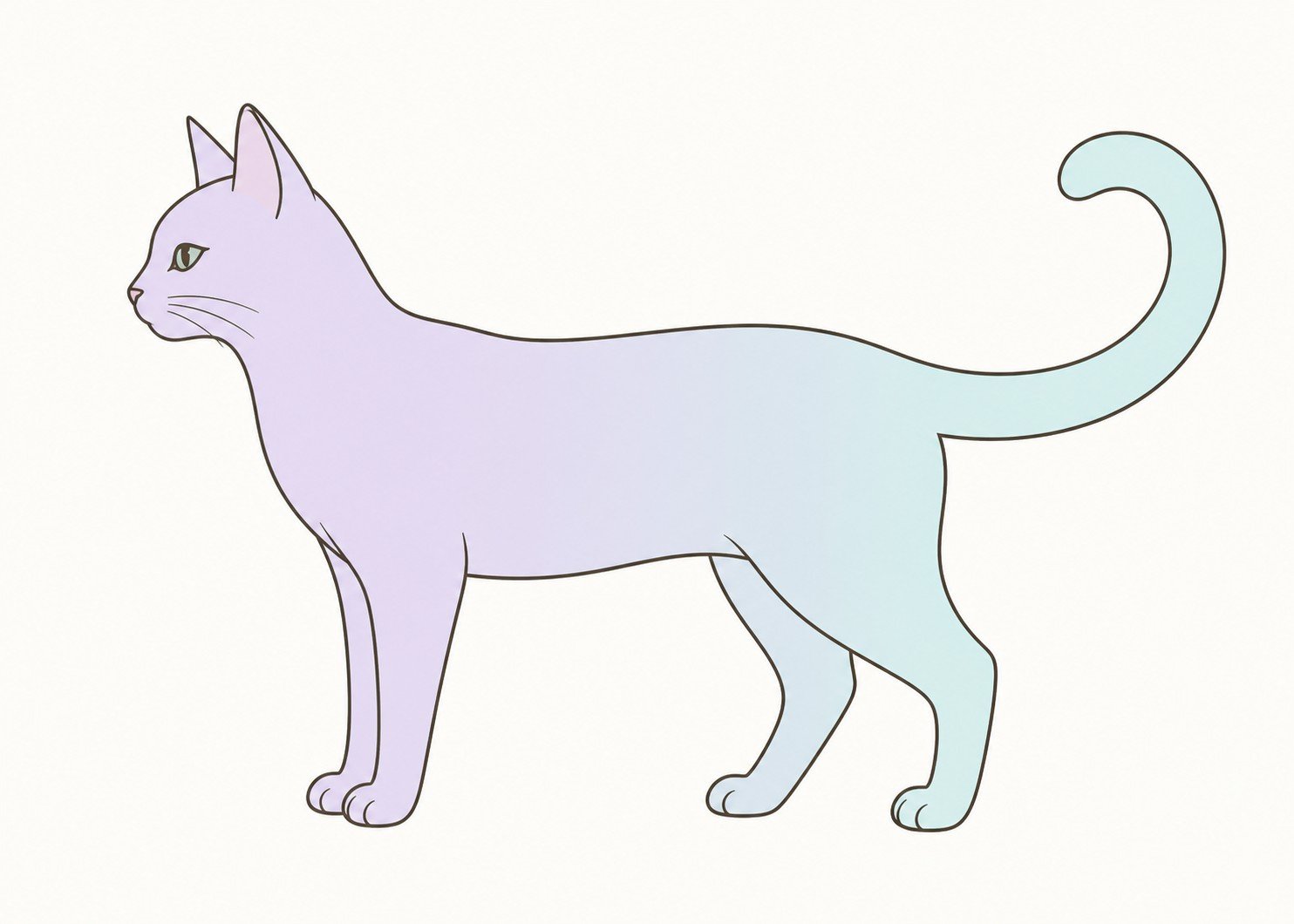
FELINE
Feline injection site anatomy guide

Diagram is illustrative — marker positions are approximate. Follow the numbered list and your vet’s guidance.

1
SQ

Lateral body wall (preferred)

The site to reach for first. Injecting along the side of the body rather than the scruff lowers FISS risk. Rotate every dose and use a fine 25–27G.

2
SQ

Right lateral chest

Pair this with the left flank and alternate between them. Keep the angle shallow — around 30–45° into the tented skin.

3
SQ

Left lateral flank

Swap with the right chest on a rotation. Cats take small volumes well, so keep each dose under 0.5 mL.

4
IM

Rear thigh (quadriceps)

Usually the only intramuscular site you will need in a cat. Use a 25G, keep the dose under 0.3 mL, and aspirate before you push.

Cats: choose the body wall, not the scruff

Repeated jabs between the shoulder blades are linked to feline injection-site sarcoma (FISS), so use the lateral body-wall sites, rotate every dose, and note where each one went. It is easy to do well — and worth having your vet check any lump that lasts more than a month, grows, or is bigger than a pea.
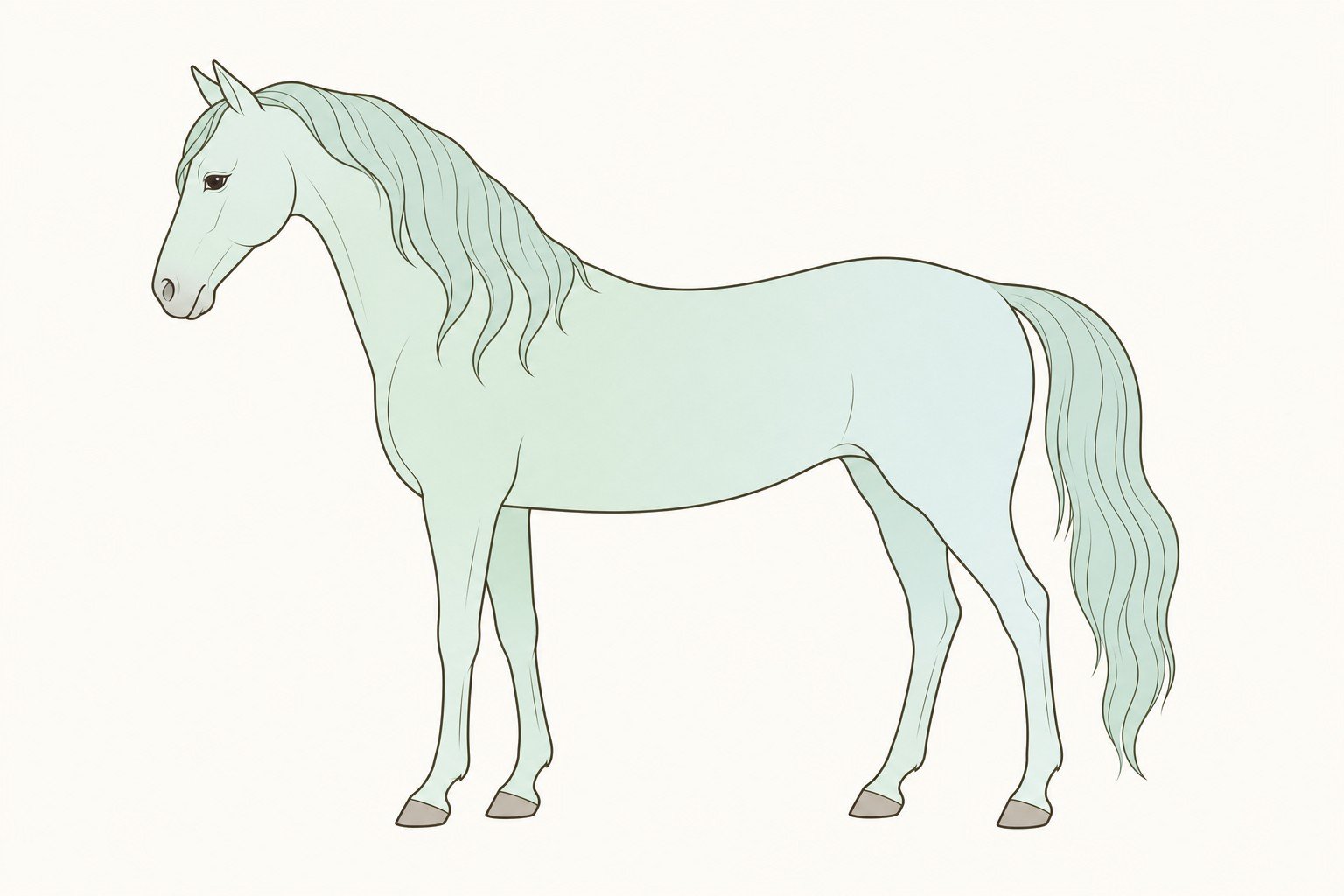
EQUINE
Equine injection site anatomy guide

Diagram is illustrative — marker positions are approximate. Follow the numbered list and your vet’s guidance.

1
IM

Lateral neck (intramuscular)

The main IM site. Aim for the triangle that sits below the nuchal ligament, above the cervical vertebrae and in front of the shoulder blade. An 18–20G × 1.5 in takes up to 20 mL.

2
SQ

Lateral neck (subcutaneous)

For shallow, systemic doses, tent the neck skin and inject just under the surface with a 20–22G. Rotate left and right between sessions.

3
IM

Pectoral (chest)

A useful secondary IM site, handy when you are targeting the front limbs. Go in perpendicular to the muscle.

4
IM

Hindquarter (gluteal / semimembranosus)

A big muscle that takes higher-volume IM doses comfortably. Keep clear of the sciatic nerve toward the back of the leg.

5
IM

Near the injury (localised)

For tendon or ligament work, place the IM dose as close to the injury as is practical. This one is best left to your vet.

Six steps. Clean, simple, consistent.

01

Gather Supplies

Peptide vial, bacteriostatic (BAC) water, alcohol swabs, and mixing syringe.

02

Clean Both Tops

Pop caps off peptide and BAC water. Swab both rubber stoppers with alcohol.

03

Draw BAC Water

Pull the mathematically correct volume of BAC water into the mixing syringe.

04

Add Water

Inject water SLOWLY down the side of the peptide glass. Do not blast the powder.

? 05

Swirl Gently

Roll the vial gently between your fingers. NEVER SHAKE.

06

Store & Label

Write the reconstitution date and concentration on the vial. Refrigerate immediately.

The Formula.

Concentration = Peptide Amount ÷ Water Volume
VIAL SIZE BAC WATER ADDED CONCENTRATION PER 10 UNITS (0.1ML)
10 mg 2 ml 5 mg / ml 500 mcg
10 mg 3 ml 3.33 mg / ml 333 mcg
5 mg 2 ml 2.5 mg / ml 250 mcg
VIAL SIZE 10 mg
BAC WATER ADDED 2 ml
CONCENTRATION 5 mg / ml
PER 10 UNITS (0.1ML) 500 mcg
VIAL SIZE 10 mg
BAC WATER ADDED 3 ml
CONCENTRATION 3.33 mg / ml
PER 10 UNITS (0.1ML) 333 mcg
VIAL SIZE 5 mg
BAC WATER ADDED 2 ml
CONCENTRATION 2.5 mg / ml
PER 10 UNITS (0.1ML) 250 mcg

Ready to put the information into context?

Share your pet’s age, weight and specific recovery situation with our team and explore the available guidance and resources. No pressure. Just clearer information.

0
0
Your Cart
Empty CartYour cart is emptyReturn to Shop
Secure Checkout
Fast Shipping
Easy Returns